
See It & Stop It Home

Category

Prevention & Public Health

9 articles

The Silence That Should Alarm You: What It Means When Your Adult Child Stops Reaching Out

The Silence That Should Alarm You: What It Means When Your Adult Child Stops Reaching Out

When an adult child grows quieter—fewer calls, shorter visits, vague and deflecting answers—parents frequently interpret the change as the natural drift of independent adulthood. In many cases, however, that withdrawal is not distance. It is distress. This article examines the behavioral patterns that distinguish ordinary independence from the kind of isolation that signals depression, addiction, chronic illness, or neurological change—and what parents can do before a quiet absence becomes a cri

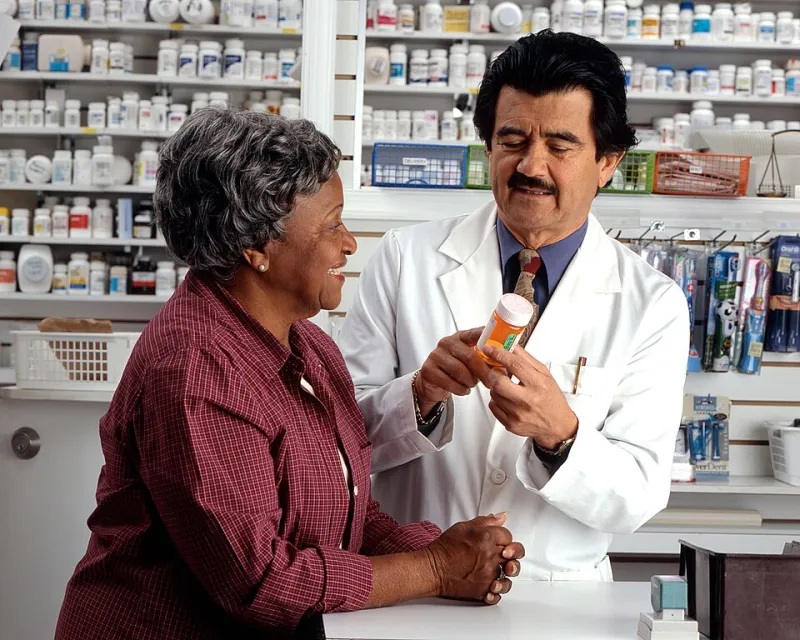
The Side Effect Nobody Warned You About: How Your Prescription May Be Quietly Rewriting Your Metabolic Health

The Side Effect Nobody Warned You About: How Your Prescription May Be Quietly Rewriting Your Metabolic Health

Tens of millions of Americans take medications that silently alter metabolism, appetite regulation, and hormonal balance — producing weight gain that then triggers an entirely new set of health risks. This cascade frequently goes unrecognized by both patients and their prescribers. Identifying medication-induced metabolic changes early is one of the most underutilized strategies in preventive medicine.

Nobody Said Anything: How Family Silence Is Letting Preventable Illness Win

Nobody Said Anything: How Family Silence Is Letting Preventable Illness Win

Social psychologists have long studied why bystanders fail to act in a crowd — but the same paralysis plays out quietly at family dinners and holiday gatherings, where loved ones notice alarming health changes and say nothing. This piece argues that speaking up early, with the right words and the right intentions, is one of the most underused tools in public health. Your family needs you to break the silence.

Screened or Unseen: The Life-Saving Tests Millions of Americans Have Never Taken

Screened or Unseen: The Life-Saving Tests Millions of Americans Have Never Taken

The most effective cancer and disease treatments available today share one common prerequisite: catching the condition before it advances. Yet millions of eligible Americans are skipping the very screenings that make early detection possible — often because they don't know they qualify, don't know where to go, or aren't sure what insurance will cover. Here are ten of the most underutilized screenings in the country, who needs them, and what acting now could realistically change.

The People Who Know You Best May Be the First to Notice Something Is Wrong

The People Who Know You Best May Be the First to Notice Something Is Wrong

Science increasingly confirms what many of us have experienced firsthand: the people closest to us often detect changes in our health before we do ourselves. From shifts in mood and memory to changes in appearance and behavior, friends and family members occupy a uniquely powerful position in the early detection of serious conditions — if they know what to look for and how to speak up. This article equips loved ones with the knowledge and language to act.

Where You Live Shapes How Long You Live — And How to Fight Back

Where You Live Shapes How Long You Live — And How to Fight Back

Across the United States, your neighborhood can be a more accurate predictor of your health outcomes than your genetics or your lifestyle choices. Geographic disparities in access to preventive care are fueling late-stage disease diagnoses in communities that can least afford them — but a growing network of mobile clinics, community health workers, and telehealth platforms is beginning to change that equation.

The Annual Checkup You Keep Postponing Is Already Costing More Than You Think

The Annual Checkup You Keep Postponing Is Already Costing More Than You Think

Millions of Americans skip routine medical screenings each year, citing cost, inconvenience, or the quiet hope that nothing is wrong. But public health data tells a far more expensive story — one measured in emergency room visits, late-stage diagnoses, and preventable deaths. This piece examines the true price of delayed care and offers a practical roadmap for accessing free or low-cost preventive services available right now.